New York City's new debt collection rules are in effect: what changed on September 1, 2026
New York City's amended debt collection rules took effect on September 1, 2026, after two years of delays. A collector may contact a city consumer no more than three times per account in seven days across calls, texts and emails, and not again that week once you respond. The rules reach original creditors once they start collecting, and a disputed debt must be verified in writing within 60 days or collection stops.
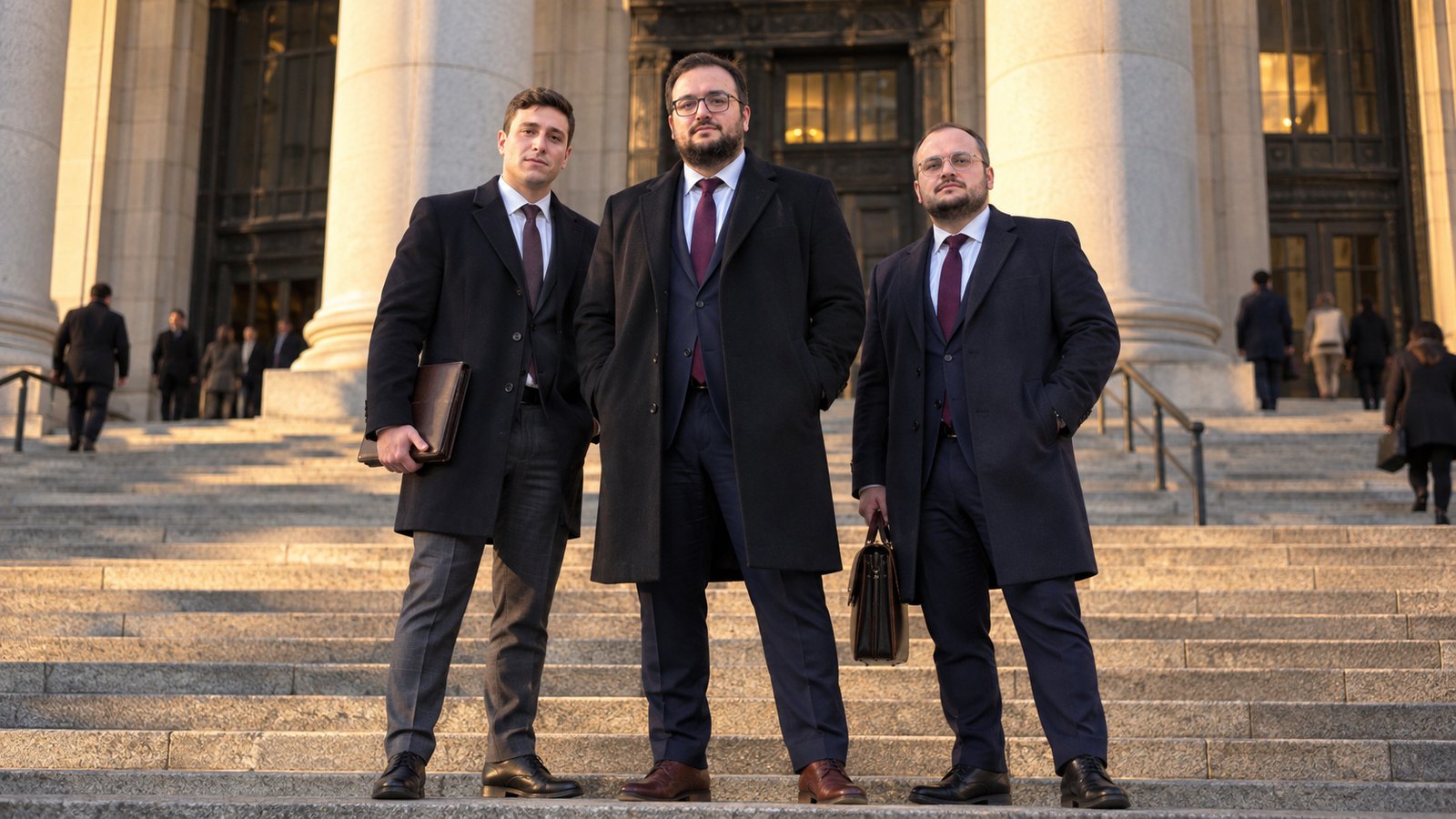
If you live in New York City, the rules for the people who call you about a debt changed on September 1, 2026. The city's Department of Consumer and Worker Protection adopted amendments to its debt collection rules in 2024, delayed them twice, rewrote them in 2025, and then published a final Notice of Adoption with a September 1, 2026 effective date.
Many reports, including earlier pages on this site, gave an April 1, 2025 start date. The rules did not take effect then. This post covers what is in the final version.
How the rules got here
The Notice of Adoption lays out the history. DCWP published a final rule on August 12, 2024, set to take effect December 1, 2024. On November 4, 2024 it moved the date to April 1, 2025. On January 29, 2025 it moved it again to October 1, 2025, and after that the date was postponed indefinitely. DCWP proposed further amendments on April 10, 2025, held a hearing on June 10, 2025, and adopted the final rules with an effective date of September 1, 2026.
A large part of the fight was about banks and other original creditors, which had thought they were outside the rules. The final version says they are covered once they engage in debt collection procedures.
Three contacts per account, any channel
Federal Regulation F presumes harassment after more than seven telephone calls in seven days about one debt, and texts and emails do not count toward that number. The city rule is different in two ways: the number is lower, and it counts every channel except mail.
Under the amended 6 RCNY § 5-77, a collector communicates with excessive frequency if, within seven consecutive calendar days, it communicates or tries to communicate with you by any medium more than three times in total, or at any time after you responded to an earlier communication within that period. The count runs separately for each distinct account. Mailed communications are carved out.
| Regulation F (federal) | NYC rules (from Sept. 1, 2026) | |
|---|---|---|
| What counts | Telephone calls only | Calls, texts, emails and attempts; mail excluded |
| Limit | More than 7 calls in 7 days is presumed harassment | More than 3 contacts in 7 days is excessive frequency |
| After you talk to them | No call within 7 days after a phone conversation | No contact after you respond, within that 7-day period |
| Counted | Per debt | Per account |
| Who is covered | Debt collectors under the FDCPA | Collectors, debt buyers, and original creditors once collecting |
DCWP noted that before these amendments, the city's rules already treated more than two communications per week per consumer as excessive. It also cited CFPB complaint data: complaints from New York City consumers about collection contacts rose each year, to 289 in the twelve months ending November 30, 2025.
Two related points. Replying "stop" to a collector's electronic messages ends that medium: stop by text ends texts. And the final rule keeps the limits on contacting you at work. See too many calls and calls at work.
Disputes: 60 days, then a Notice of Unverified Debt
The biggest change for many people is what happens after you dispute. For accounts where a validation notice is required on or after September 1, 2026 (excluding accounts purchased before that date):
- Collection stops on dispute. After your first dispute or request for verification, the collector must stop collecting until you receive verification.
- Written verification within 60 days. The collector must send written verification within the time state law allows, and no later than 60 days after receiving your first dispute.
- Or a Notice of Unverified Debt. If it cannot verify, it must send a written notice saying so. A collector other than the original creditor must say it will stop collecting. The notice tells you to keep a copy, says that under city law another collector with that information cannot resume collecting in the city until verification is provided, and must follow the account if it is sold, assigned or placed with a lawyer to sue.
- The original creditor's address. You can ask, orally, in writing or electronically, for the address of the originating creditor, and the collector must give it within 30 days.
These rules sit on top of the federal ones. Under 15 U.S.C. § 1692g, a written dispute within the validation period already suspends collection until the collector mails verification. The city rule adds a hard deadline and a paper trail that travels with the debt. See no validation notice and ignored dispute.
What this means if a collector is calling you
The city rules are enforced by DCWP, which licenses collection agencies. Whether a violation of the city rules alone supports a private lawsuit is not something we publish here. What the rules do is set a clear standard for conduct, and a collector that breaks a clear standard often breaks federal or state law at the same time. A collector that keeps calling after you dispute, or claims a debt is valid when it cannot verify it, may be violating the FDCPA's bans on harassment and false statements (15 U.S.C. §§ 1692d, 1692e).
The FDCPA provides actual damages plus statutory damages of up to $1,000, and it requires a collector found liable to pay the consumer's reasonable attorney's fees and costs. General Business Law § 349(h) adds a claim for deceptive practices, with fees in the court's discretion. The FDCPA deadline is one year from the violation.
- Count by account, all channels. Write down each call, text and email, with the date and which account it was about. The call log tracks calls; add texts and emails to your notes.
- Dispute in writing and keep proof. Note the date the collector received it. Sixty days later, you should have verification or a Notice of Unverified Debt.
- Keep any Notice of Unverified Debt. If the debt resurfaces with another collector, that notice matters.
- If you have been sued, do not ignore the papers. The answer deadline is short. See sued by a debt collector.
Outside the city, the rest of New York follows state and federal law; New Jersey and Florida have their own rules. See New York, New Jersey and Florida.
Regulation F
The federal rule behind the seven-call presumption.
Read →Texts and emails
How collectors may, and may not, use electronic messages.
Read →All news
Every dated change since 2024, with sources.
Read →Sources: NYC Department of Consumer and Worker Protection, Notice of Adoption, Rules Relating to Debt Collectors (effective Sept. 1, 2026) (PDF); NYC Rules, Debt Collectors and Collection Agencies (page); 6 RCNY § 5-77; 12 C.F.R. § 1006.14(b)(2); 15 U.S.C. §§ 1692d, 1692e, 1692g, 1692k; N.Y. Gen. Bus. Law § 349(h).
Common questions
Do the NYC rules apply if I live outside the five boroughs?
The rules protect a consumer residing within the City of New York. If you live elsewhere in New York State, the FDCPA, Regulation F, General Business Law 349 and the state DFS collection rule still apply, but the city's three-contact limit does not.
Do letters count toward the three contacts?
No. The rules carve out mailed communications from the frequency count. Calls, texts, emails and attempts to reach you by those channels do count, and the count runs separately for each account.
Does the 60-day verification rule apply to my old account?
The verification and Notice of Unverified Debt provisions apply to accounts where a validation notice is required on or after September 1, 2026, and not to accounts purchased before that date. Older accounts stay under the rules in effect before September 1, 2026, and the federal validation and dispute rules apply either way.
Tell us what they did.
One conversation with an attorney, in your language. We tell you which laws the collector or the credit bureau broke, which deadline runs first, and what to save this week. If it is not a case we can take, we say so and tell you where to go.
(718) 484-7510The FDCPA and the FCRA require a company found liable to pay the consumer’s reasonable attorney’s fees and costs. Our fee arrangement is confirmed in a written retainer before we begin. English, Russian and Spanish in-house; an interpreter for any other language.